A STEM CELL FAIRYTALE

By |2018-09-27T14:16:42-04:00May 10th, 2017|blog|

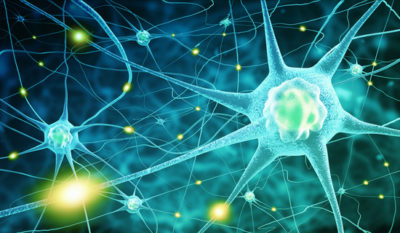
Once upon a time, there was an old adult stem cell who had three little stem cells, and not enough mitochondria to fuel them. So when they were mature enough, the grown up cell sent them out into the world to seek their fortunes. The first little stem cell was lazy. It didn't work at all, so it differentiated into a sedentary bone cell. The second little stem cell worked a bit harder, but still lazy - it transformed into a muscle cell. The third little stem cell worked hard all day, and became an intelligent brain cell. When stem cell research began far away and just as long ago, it's alluring potential - from providing insight to early human development, to eradicating permanent, fatal autoimmune diseases - was the stuff of fairytale. But [...]
‘GROW’ HEARING IN MUSIC-RAVAGED EARS THROUGH STEM CELLS? SOUNDS GOOD

By |2018-09-27T14:19:13-04:00May 4th, 2017|blog|

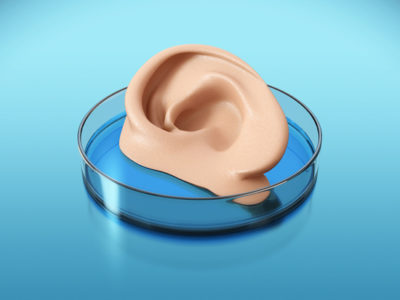
Hearing loss is a sudden, sometimes inevitable outcome for anyone with ears. So that applies to, well, pretty much everyone. From losing hearing due to old age, to giving it up through blaring headphones - we're looking at you, screen-staring millennials - it's only natural to covet what's lost. Hearing is especially vital, when you consider it's our main form of communication, allowing us to interact and exchange thoughts and ideas with one another. Plus, music is great, no matter what genre you're into (besides EDM...we just don't get this trend). Rediscovering the gift of sound has always been limited to hearing aids and cochlear implants, giving people that air of part-robot that may or may not be wanted. Instead of those invasive devices, what if your doctor could simply take some extra cells [...]

TINY, GIANT STENTORS ARE CHANGING REGENERATIVE MEDICINE

By |2018-09-27T14:22:05-04:00April 26th, 2017|blog|

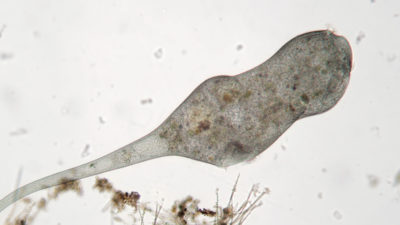
If asked what you thought a 'stentor' was, we'd likely hear answers ranging from some sort of prehistoric dinosaur, to a villain from He-Man. Stentors are neither extinct monsters or fictional bad guys, but they are the most peculiar, puzzling organisms on our planet. To learn more about your local stentors, they can be found lurking in a pond near you. Or, you could read the rest of this blog post. THEY AREN'T DINOSAURS. THEY AREN'T HE-MAN VILLAINS. SO WHAT ARE STENTORS? The anatomy of a Stentor is unlike anything we've seen on Earth, comprised of nothing more than a single cell. But, this solo cell is so massive, it can be seen with the naked human eye. Measuring in at a robust and meaty 1 to 2 millimeters, a stentor is a thousand [...]

WHY ARE VENTURE CAPITALISTS HEAVILY INVESTING IN THIS AREA OF REGENERATIVE MEDICINE?

By |2018-09-27T14:25:04-04:00April 19th, 2017|blog|

The theory of eternal youth - or the concept of human physical immorality - is a prevalent theme in both mythology and fictional tales. Unfortunately for us, those creative concepts have yet to translate to reality, always distanced well beyond the reaches of today's scientific limitations. And that's not for a lack of trying. A considerable amount of research has been dedicated to solving the mystery of human life and genetics, with hopes of manipulating the aging process, giving us the ability to live forever. Sounds utopic, doesn't it? We hope we didn't fill you with visions of everlasting, because we're no where closer today than years past to that penultimate goal. But, other advancements - particularly regenerative medicines - are seen as the next best solution, a possible path for fixing destroyed body [...]

STEM CELLS 2.0: REPROGRAMMING BRAIN CELLS FOR PARKINSON’S TREATMENT

By |2018-09-27T14:28:09-04:00April 11th, 2017|blog|

For 50 years, levodopa and similar pharmaceutical drugs have been quintessential in treating Parkinson's disease. These medications ease the motor symptoms of the disease, though none can cure the illness for good. Over time, people with Parkinson's continuously lose dopamine neurons, cells that're necessary to the motor control centers of the human brain. Medications like levodopa will eventually become ineffective. As a result, the body loses its sense of balance, and a debilitating stiffness dominates the legs. To prevent this slow, deterioration of the body's motor functions, scientists are vigorously working to replace those critical dopamine neurons. Through much trial and error, stem cell therapy is next to experiment with as a potential answer to replenishing dopamine neurons or, as a cure for Parkinson's altogether. A MAJOR BREAKTHROUGH A study from the Karolinska Institute [...]

HOW STEM CELL THERAPY CAN END THE TOMMY JOHN EPIDEMIC IN BASEBALL

By |2018-09-27T14:30:34-04:00April 4th, 2017|blog|

It's the worst kept secret in baseball (besides the scientific fact Mike Trout is from another planet): players, especially pitchers, are relying more and more on stem cell therapy to ward off injury. The progressive stem cell therapies of today are being used by ball players from high-school prospects to major-league stars. Despite the fact everyone's doing it, nobody talks about it, kind of like picking your nose. So it was both anticlimactic and a revelation when the Los Angeles Angels announced that both Andrew Heaney and Garrett Richards would treat their torn ulnar collateral ligaments (UCLs) through stem cell treatments. It marked the first time ball players and their employers were open to divulging the rehabilitation plans utilizing this novel procedure. Until now, the only solution to a torn or damaged UCL had [...]

IS THIS NEW TYPE OF STEM-CELL ENGINEERING ETHICAL?

By |2018-09-27T14:32:53-04:00March 28th, 2017|blog|

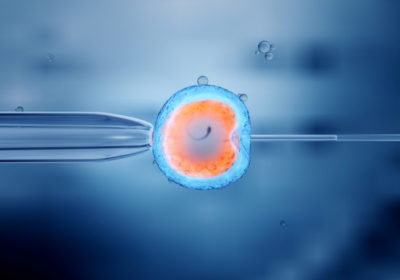
No matter how high the pile of ethical predicaments grows, biological research continues to push forward. But new, startling stem cell research may be the final piece that has that pile toppling over in moral disarray. There's something to be said when even the researchers at Harvard Medical School, in a report published in eLife, feel it's time to consider the consequences of synthetic embryos. SYNTHETIC EMBRYOS, IN VITRO FERTILIZATION...WHAT'S THE DIFFERENCE? Forget in vitro fertilization - stem cell researchers are light years beyond that. Today's scientists have the resources and knowledge to assemble stem cells that organize themselves into embryo-like structures. If that isn't eyebrow-raising enough, experts in the field claim that's the first step towards manipulating stem cells to develop new tissues and organs. From there, they can take on the features of a [...]

THE $325,000 STEM CELL BURGER

By |2018-09-30T10:12:23-04:00March 20th, 2017|blog|

Since its introduction to the public food scene over a century ago, the hamburger has gone through more phases than a temperamental teen. After enduring the stigma of 'fast-food fix' for a lengthy stretch (thanks, fast-food chains), the burger gained some respect in the post-war period, finally surging in the late 90's from its tainted, greasy image. Today, burgers can range right up to fine dining levels. The 'Fleurburger 5000' from Hubert Keller's restaurant in Las Vegas, made from a waygu beef patty topped with foie gras and truffle, is priced at - you guessed it - $5,000 USD. But that's not even the most expensive burger around. Not even close. The Fleurburger 5000 is McDonald's-level pricing compared to this $325,000 hamburger, created by Dr. Mark Post of the Netherlands through the use of [...]

A FROZEN ZOOTOPIA

By |2018-09-27T14:37:32-04:00March 15th, 2017|blog|

Let's get this out of the way, because we know what you're thinking: no, a 'Frozen Zootopia' isn't a new, encompassing Disney film that mashes up the company's latest animated hits. It's simply the title of a blog post that's trying too hard, and an unfunny segue into the real, unanimated story: The Frozen Zoo. The Frozen Zoo could be the most bio-diverse sanctuary on our planet. Dr. Kurt Bernischke created the animal house - The Center for the Reproduction of Endangered Species - back in the mid 70's with a very Jurassic Park-ish objective. His idea was to develop a space where they could freeze cells of mammals, applying molecular genetics to save endangered species. It's important to note that the ethical concerns that weigh down cloning these days was non-existent. And despite newfound cloning [...]

HOW ARE STEM CELLS USED IN DISEASE TREATMENT RESEARCH?

By |2018-09-27T14:38:58-04:00March 12th, 2017|blog|

Arguably the most important, positive result of stem cell research is the potential to seek and destroy untreatable diseases in our bodies. The mission, which researchers around the globe have accepted, is simple: through stem cell transplants, trigger embryonic stem cells to differentiate into a desired type of cell, which then replaces the damaged cells in a person's body. While the premise is simple, navigating the challenges the human body presents makes the endgame difficult to attain. Stem cells dying before they can regenerate or repair, and the body rejecting foreign cells, are just two of the tall tasks standing in the way of viable disease treatments. But the potential is there. We'll quickly explore how stem cell technologies are altering modern medicine and our approach towards these common diseases. DIABETES The most intriguing [...]