3 Facts You Didn’t Know About Platelet Rich Plasma Therapy

By |2019-01-16T12:32:43-05:00October 31st, 2018|blog|

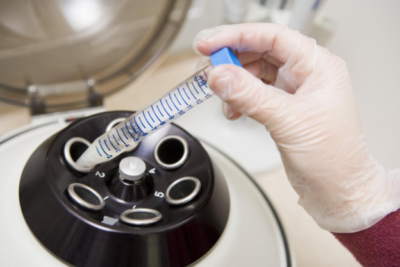
Platelet Rich Plasma therapy, or PRP, has emerged as one of the more innovative forms of treatment for musculoskeletal problems and is especially useful for reducing inflammation and promoting soft tissue healing. While the procedure has been in used by doctors for quite a few years now, there still appears to be some scepticism regarding it. Here are a few facts about PRP procedures you probably did not know about. It Is Very Effective Studies have found that Platelet Rich Plasma therapy is very effective in reducing pain and inflammation, and healing tissues. A meta-analysis done in 2017 analysed 14 controlled trials which had 1,423 participants. Researchers found that PRP was extremely effective in lowering pain for people who had knee osteoarthritis. Not just that but it also improved the physical functioning of patients significantly, [...]

5 Illnesses Stem Cells Could Make A Thing of the Past

By |2019-01-16T12:17:26-05:00October 30th, 2018|blog|

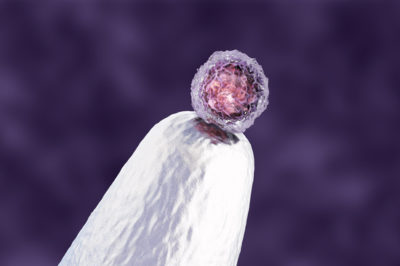
Regenerative medicine has been making rounds for the past few decades, and it’s here to stay! With continuous development in medical knowledge and technology, stem cell treatment might just be the solution for these conditions, curing them once and for all! Parkinson's Disease While the underlying cause of Parkinson's disease is not known, scientists are already using stem cells in treatment methods. Stem cells are used to grow nerve cells which produce dopamine and which patients lack. Treating Parkinson’s disease might be possible by replacing the deficient nerve cells with new healthy ones. The stem cells can take place of the damaged neurons, improving symptoms such as tremors, shaking and freezing. Studies have shown that mesenchymal stem cells used in this procedure can survive for many years, making this method an effective form of [...]

The 3 Types of Regenerative Injections and What They Can Do For You

By |2019-01-16T12:14:46-05:00October 26th, 2018|blog|

Stem cell therapy has been around for a while, but do you know the techniques used? This blog will cover 3 types of regenerative injections used for an autologous (your own cells)procedure. Bone Marrow Derived Autologous Concentrate (BMAC) Bone marrow has long been used as a source of human stem cells. Human bone marrow has a natural supply of multipotent stem cells, which can be harvested for tissue repair and regrowth. The mononuclear cells of the bone marrow are separated and centrifuged to be injected into the individual again after having been carefully concentrated. This process of extracting a small part of the bone marrow instead of removing it along with the bone is called bone marrow aspiration. Adipose Derived Stem Cells (ADSC) In this injection, the patient's stem cells are derived from the adipose [...]

BUILDING NEW LIVERS WITH STEM CELL LIVER TREATMENT

By |2018-09-28T05:49:37-04:00September 24th, 2018|blog|

Liver disease is on the rise in Canada and one-in-four people might be affected by a liver disease in their lifetime. However, a research team from the University of Edinburgh has created a new stem cell liver treatment to replace damaged liver tissue using lab-grown tissue implants. Using a combination of embryonic stem cells and induced pluripotent stem cells loaded onto 3D tissue scaffolds which encourage stem cells to grow in certain ways, the team implanted the cultured scaffolds into mice with liver disease with highly promising results. "Liver disease is a serious and increasing problemit's currently the fifth biggest killer in the UKand many people with liver disease will die waiting for a transplant or develop complications from the immunosuppressive drugs after a transplant, so we urgently need to find alternatives," lead researcher, [...]

HEALING SPINAL INJURIES WITH LAB-GROWN NEURAL STEM CELLS

By |2018-09-30T08:59:59-04:00September 17th, 2018|blog|

A University of California San Diego study has used lab-grown neural stem cells to treat spinal cord injuries in rats for the first time ever. Created from embryonic human pluripotent stem cells (hPSCs) in vitro, the researchers say their revolutionary method provided long-lasting and extensive spinal cord injury recovery in the rats. "Our observations show that these spinal cord NSCs differentiate into a diverse population of spinal cord neurons occupying multiple positions along the dorso-ventral axis, and can be maintained for prolonged time periods," the researchers wrote in Nature Methods. "Grafts into injured spinal cords were rich with excitatory neurons, extended large numbers of axons over long distances, innervated their target structures, and enabled robust corticospinal regeneration." HOW SPINAL CORD INJURIES WORK To understand why this study is important, you need to understand how spinal [...]

DEBUNKING MYTHS ABOUT STEM CELLS

By |2018-09-28T05:52:39-04:00September 10th, 2018|blog|

Stem cell research is one of the fastest growing fields of medical science, however, it's still held back by a number of ungrounded myths about stem cells. Most stem cell research controversy stems from these false stem cell myths. Don't be taken in by reactionary media personalities, here are the real facts behind stem cell myths. STEM CELL MYTH 1: STEM CELLS ONLY COME FROM EMBRYOS One of the most nefarious myths about stem cell research, the stem cell research controversy over embryonic stem cells in the mid-2000s caused untold harm to the movement for stem cells across the world. The truth is embryonic stem cells are just one type of stem cells. There are many different types of stem cells and ways to harvest them ranging from blood withdrawals, to bone marrow, to [...]

WHAT’S THE DIFFERENCE BETWEEN REGENERATIVE MEDICINE AND TISSUE ENGINEERING?

By |2018-09-30T09:00:41-04:00September 5th, 2018|blog|

Many people believe regenerative medicine and tissue engineering are just different words for the same thing: replacing dead or damaged tissue with biologically engineered replacements. While the two methods share the same goal, they use fundamentally different means to achieve it. TISSUE ENGINEERING Tissue engineering is a process wherein fibroblasts are extracted from a patient and then used to artificially grow cells and tissues in a lab setting using the principles of the body's own tissue growth. This is done using "tissue scaffolds" which encourage cells to develop in a certain way, such as influencing them to grow into bio-artificial bone marrow when implanted under a patient's skin. Using tissue engineering, scientists have been able to create a wide variety of artificial organs including bladders, pancreases, livers, and even whole bones. While the ultimate [...]

THE PROTEIN THAT CAN UNLOCK THE SECRETS OF IPSCS

By |2018-09-27T09:50:15-04:00August 27th, 2018|blog|

Since 2006, the cornerstone of many stem cell studies have been induced pluripotent stem cells, or IPSCs. Pluripotent stem cells are essentially immature cells that can differentiate into many different types of cells. Pluripotent stem cells are key to regenerating organs and tissues, however their use was decked in controversy for many years because the main source of them was embryonic stem cells, creating ethical issues lampooned in popular culture like South Park. However, in 2006, Japanese scientist Shinya Yamanaka changed the game with a method that reprogrammed mature cells into a pluripotent form using four growth factors. Yamanaka earned the Nobel Prize for this advancement in 2012, however there have been lingering questions about the transition process and why only 1 out of 1000 cells that are treated successfully convert into an IPSC. But [...]

PRP (PEE R PEE?): THE POWER OF URINE DERIVED STEM CELLS

By |2018-09-27T09:51:59-04:00August 20th, 2018|blog|

In 2006, scientists discovered that it was possible to isolate stem cells found within urine and use them to differentiate into different types of autologous cells. When you put aside your natural revulsion, you can see that these types of stem cells have a variety of benefits, since harvesting them is as easy as filling a cup We are now seeing the fruits of this stem cell research into urine derived stem cells. In the past year, there have been a new frontier of stem cell studies into urine derived stem cells with a variety of interesting applications. BUILDING ADRENAL GLANDS At the beginning of the year, researchers from Queen Mary University were able to generate artificial adrenal glands using urine derived stem cells. Adrenal glands produce a variety of important hormones including adrenaline, [...]

3 REVOLUTIONARY STEM CELL STUDIES ON THE HORIZON

By |2018-09-30T10:22:22-04:00August 13th, 2018|blog|

Every day, scientists are working to make the future better by testing the reaches of the almost limitless potential of stem cells. It seems like every there's constantly news about the latest advances in stem cell research, but here are the three upcoming stem cells studies we think you should keep your eyes out for. SAVING THE NORTHERN WHITE RHINO WITH STEM CELL RESEARCH The staff at the Leibniz Institute for Zoo and Wildlife Research are gearing up for a stem cell studystraight out of Jurassic Park. They plan to bring the Northern White Rhino back from the edge of extinction by using induced pluripotent stem cells to facilitate the in-vitro fertilization of the last two surviving female Northern White Rhinos with hybrid embryos cultivated from Southern White Rhino eggs fertilized with Northern White Rhino [...]