STEM CELL THERAPY: MAKING BONE DEFECTS DEFUNCT

By |2018-09-27T11:27:00-04:00February 12th, 2018|blog|

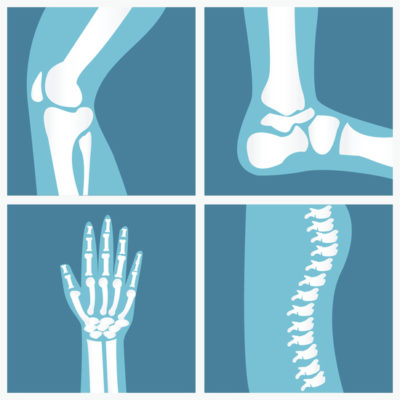
When injuries to the bones don't heal, it may be because of bone defects, which affect over 5 million people in North America. A bone defect is a serious condition, often occurring after a pathological process (ex. an infection after a traumatic injury) has destroyed vital components of the bone. Osteomyelitis is one cause of bone defects. It's an infection that reaches the bone traveling through the bloodstream or spreading from nearby tissue, but can begin in the bone itself if an injury leaves the bone exposed to bacteria. Osteomyelitis requires lengthy recovery times, if not surgery, to repair the body's damaged bones and soft tissues. Hyunwoo Kang, an orthopedic surgery resident at the Keck School of Medicine, is exploring the use of stem cells to treat severe bone defects. A BARE BONES EXPLANATION [...]

CAN STEM CELL THERAPY IMPROVE THE AGING PROCESS?

By |2018-09-27T11:31:24-04:00February 5th, 2018|blog|

Growing old can hit you like a ton of bricks. One second you're young, vital, and resilient, then suddenly you slip and shatter your hip. Grappling with one's own mortality is truly terrifying. But a stem cell treatment meant to combat age-related frailty has shown marked success after two promising clinical trials involving elderly humans. The results illustrate a safe treatment that's effective in tackling aging factors. THE POWER OF MESENCHYMAL STEM CELLS At the heart of the potentially ground-breaking stem cell treatment are mesenchymal stem cells (MSCs). MSCs can make several types of skeletal tissue cells, such as cartilage, bone, and fat. These 'adult' stem cells are multipotent, so they can produce more than one kind of specialized cell in the body. POSITIVE RESULTS, POSITIVE HEALTH FOR THE ELDERLY Both phases of the [...]

CANADIAN RESEARCHERS TEST A NEW STEM CELL TREATMENT TO REVERSE TYPE 1 DIABETES

By |2018-09-27T11:33:10-04:00January 21st, 2018|blog|

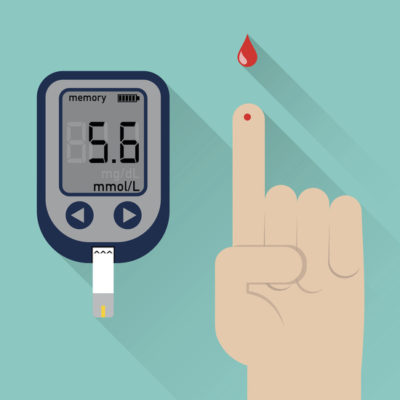
A Vancouver man is the first Canadian to receive an experimental stem-cell therapy aiming to reverse his Type 1 diabetes diagnosis. The untested stem cell treatment revolves around restoring the body's natural ability to produce insulin, researchers from the University of British Columbia announced this week. Until now, the stem cell therapy has only been tested in diabetic mice, to positive results. If the human trials yield similar findings, this new treatment could lead to the "potential reversal" of Type 1 diabetes, says Dr. David Thompson, principal investigator of the trial's Vancouver arm, and medical director of the Vancouver General Hospital Diabetes Centre. "This is basically what everybody has been waiting for." THE THERAPY ViaCyte, a San Diego biotechnology company, has been testing its new therapy at centres across North America, including Vancouver and Edmonton. Their process [...]

HOW STEM CELLS CAN RECREATE A SENSE OF TOUCH

By |2018-09-27T11:38:53-04:00January 14th, 2018|blog|

Sensory interneurons are specialized cells in the human body that enables us to experience the world through real, tactile experiences. But degenerative conditions, like forms of paralysis, can impede our unique sense of touch, limiting our ability to experience life. It can keep us safe, like when we perceive danger through touching a hot stove or sharp edge. A new study from UCLA is exploring how to restore the feelings of touch in those suffering from paralysis, giving them a second opportunity to enjoy & experience the world as intended. OUT OF TOUCH According to the journal Stem Cell Reports, the published study revealed a remarkable first: the researchers had successfully transformed human stem cells into sensory interneurons. The study built off previous work, published by Butler University, which detailed how particular proteins could contribute to [...]

MAKING MUSCLE FROM…NON-MUSCLE

By |2018-09-27T11:40:54-04:00January 10th, 2018|blog|

A team of biomedical engineers from Duke University have created muscle from non-muscle. They've engineered the first functioning human skeletal muscle from pluripotent stem cells (self-replicating cells, derived from the human embryos and fetal tissue). With more testing and research, scientists may discover how to grow an entire muscle starting from a single cell. THE ORIGIN STORY Duke's team made its first breakthrough in 2015, growing working, human muscle tissue from cells extracted during muscle biopsies. It began with a sample of human cells that progressed beyond stem cells, but still weren't muscle tissues. Engineers Nenad Bursac and Lauran Madden expanded these myogenic precursors by more than a 1000-fold, and then placed them into a 3D scaffolding. They filled the scaffolding with a nourishing gel, allowing them to form functioning muscle fibers. Madden put [...]

UCLA RESEARCHERS HAVE BROKEN GROUND IN DMD STEM CELL THERAPY

By |2018-09-27T11:59:52-04:00January 2nd, 2018|blog|

Duchenne muscular dystrophy (DMD) is a genetic disorder effecting 1 in 5,000 adolescent males in the U.S. As the most common fatal childhood genetic disease, DMD is best explained as a progressive muscle degeneration and weakness. An absence of dystrophin - a protein keeping muscle cells intact - causes DMD. It's found mostly in boys, starting between ages 3-5. Initially, DMD attacks hip, pelvic, thigh, and shoulder muscles. As it progresses, it spreads to the skeletal (voluntary) muscles in the arms, legs and trunk, often enlarging the calves. The heart and respiratory muscles are weakened during the early teens, leading to low life expectancies in those afflicted. While those with DMD usually don't survive beyond their teens, researchers from UCLA have found a way to isolate, mature, and transplant skeletal muscle cells created from [...]

AMNIOTIC FLUID IS THE NEXT LEAP IN STEM CELL RESEARCH

By |2018-09-27T12:01:55-04:00December 27th, 2017|blog|

There is convincing evidence that amniotic fluid often treated as medical waste can be a viable source of stem cells, and a means to advance cell therapy and regenerative medicine. In years past, once the fluid no longer surrounded a baby, it would be handled by hospital staff. Then it'd be stored and shipped to a processing center, shock frozen, and shock thawed, leaving no remaining living materials. But a team of scientists at Lund University in Sweden have developed a multi-step method, employing an innovative collection device, to safely harvest large quantities of cells. IT BEGINS WITH BABY STEPS Scientists have combined fluids from full-term caesarean section deliveries, and millions of caesarean sections, performed worldwide each year. The valuable stem cells and bioactive molecules surrounding babies were untapped resources of regeneration, but Lund's [...]

RAISING $100 MILLION FOR A STEM CELL DIABETES TREATMENT

By |2018-09-27T12:03:56-04:00December 17th, 2017|blog|

An American startup that wants to develop a permanent treatment for type 1 diabetes just raised $114 million to fund their stem cell-driven cure. By utilizing the immense potential of stem cells, Semma Therapeutics' research revolves around having them perform like key cells that manage blood sugar levels in our bodies. The endgame is to treat - and permanently cure - type 1 diabetes. The $114 million, combined with the $49 million they previously raised, will be put towards getting Semma's treatment, which have been tested on animals, to human trials. $163 MILLION FOR 30 MILLION PEOPLE Diabetes is an autoimmune disease in which the body doesn't breakdown sugar in the blood correctly. The body confuses beta cells found in the pancreas, which are supposed to produce insulin, and attacks them, affecting how the [...]

A STEM CELL LAB IN A BAG

By |2018-09-30T09:50:41-04:00December 3rd, 2017|blog|

Scientists around the world are continuously searching for new methods to heal diseases via stem cells. From developing new treatments, to helping us understand diseases in ways they couldn't be studied before, researchers conclude that the only way to progress is the increase the amounts of cell material that can be examined. The latest studies suggest 3D cell models, which reflect conditions of the human body most accurately, are the optimal way to test and study stem cell treatments & its effects. This is mostly done in sterile conditions, utilizing droplet-shaped nutrient solutions. These conditions can only be created in a laboratory setting, which requires extensive resources and equipment. As a part of the LabBag project, the Fraunhofer Institute for Biomedical Engineering IBMT, the Fraunhofer Institute for Surface Engineering and Thin Films IST, and the Fraunhofer Institute for Process [...]

FDA LOOKS TO CLOSE LOOPHOLES IN LATEST STEM CELL GUIDELINES

By |2018-09-30T09:51:31-04:00November 26th, 2017|blog|

The U.S. government is finally cracking down on shady doctors pushing unproven & dangerous stem cell treatments in an effort to police the growing, decentralized regenerative medicine field that's run rampant in recent years. The Food and Drug Administration (FDA) laid out a new framework for regulating cell-based medicines, including the hundreds of private clinics that have sprung up across the country. Many of these uncertified clinics offer stem cell injections for all sorts of diseases, such as arthritis, multiple sclerosis, blindness, and even Alzheimer's. Clinics charge $5,000, up to $50,000, for these treatments, despite the lack of evidence they're safe or effective. Here are the highlights of the proposed framework. JUMPING THROUGH LOOPHOLES Legit, credited stem cell researchers have called to close this loophole for a decade. Hopefully, the FDA's promise to target [...]